
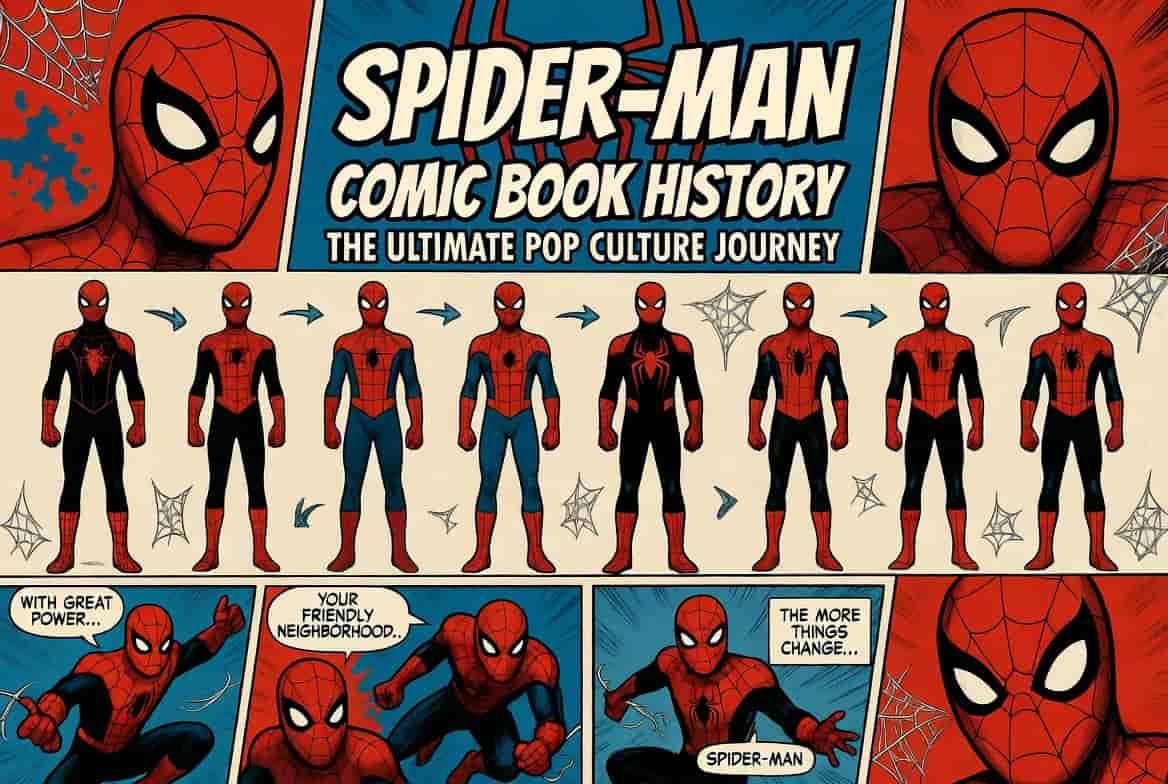
TheSpider-Man comic book history world of graphic literature changed forever in August 1962. Legendary creators Stan Lee and Steve Ditko introduced a brilliant new superhero concept to readers. This amazing fictional character was named Peter Parker, widely known today as Spider-Man. He broke the traditional mold by being a regular, highly relatable teenage hero with real-life problems.
If you want to understand modern entertainment media, exploring this superhero’s roots is absolutely essential. His decades-long journey spans across thousands of print chapters, blockbuster movies, and hit video games. Consequently, this comprehensive guide explores the complete Spider-Man comic book history in deep detail. Let us uncover how a small anthology story transformed into a multi-billion-dollar global franchise.
The Historic Creation and the Silver Age Beginnings
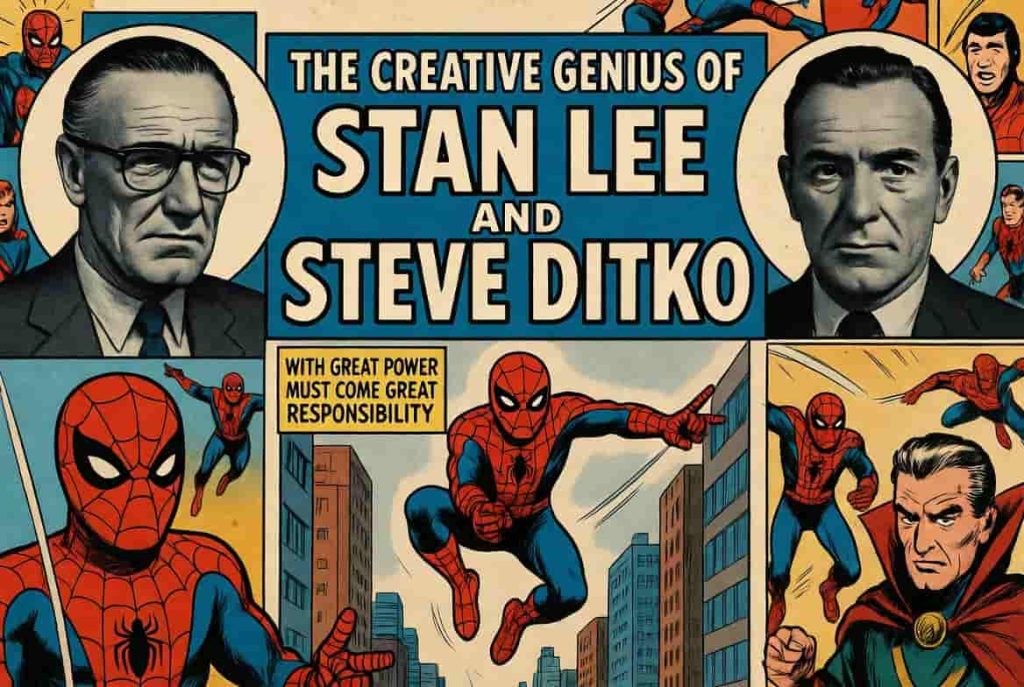
The Creative Genius of Stan Lee and Steve Ditko
Marvel Comics publisher Martin Goodman initially disliked the original concept of a spider-themed hero. He believed that global audiences naturally loathed spiders and would reject the character instantly. However, Stan Lee managed to place the introductory story inside a failing anthology book. This specific milestone comic was called Amazing Fantasy issue #15.
The Incredible Success of Amazing Fantasy #15
The historic issue achieved record-breaking sales numbers almost immediately after landing on local storefronts. Readers fell deeply in love with Peter Parker’s grounded civilian problems and internal struggles. He was not a rich billionaire or an alien from a distant planet. Instead, he was simply a broke high school student dealing with heavy emotional grief.
Major Structural Eras in Spider-Man Comic Book History
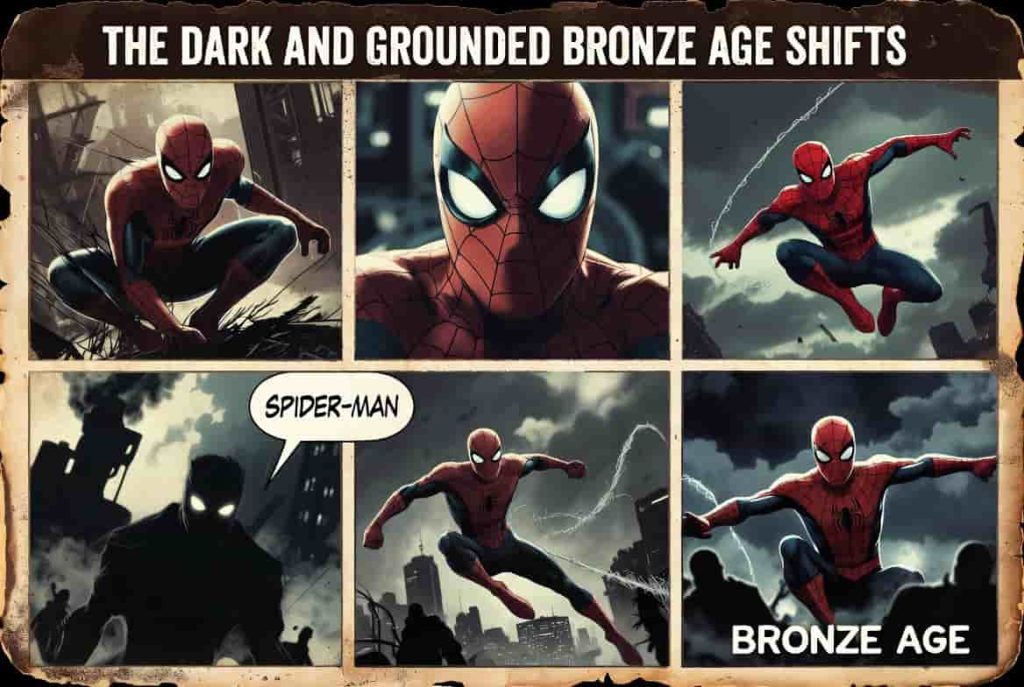
The Dark and Grounded Bronze Age Shifts
The comic industry transitioned into a much more serious tone during the early 1970s. Specifically, The Amazing Spider-Man issues #121 and #122 altered superhero storytelling rules permanently. The shocking, tragic death of Peter’s first love, Gwen Stacy, occurred during this specific dark period. This emotional loss proved that even powerful superheroes cannot save everyone from danger.
+--------------------+-----------------------------------+
| Comic History Era  | Main Narrative Milestone          |
+--------------------+-----------------------------------+
| The Silver Age     | Debut in Amazing Fantasy #15      |
| The Bronze Age     | Tragic Death of Gwen Stacy        |
| The Modern Era     | Brand New Day Soft Reboot Run     |
+--------------------+-----------------------------------+
The Modern Era and the Brand New Day Shift
The franchise expanded into complex publishing models as the twenty-first century arrived. For instance, the year 2008 brought a massive editorial soft reboot called Brand New Day. This specific storyline reset Peter’s secret identity, relationships, and financial stability completely. Writers used this bold strategy to bring classic street-level heroism back to a fresh generation.
The Everlasting Global Impact of Peter Parker’s Legacy
The incredible narrative blueprint created in the original comics still rules Hollywood today. Every single modern cinema film relies heavily on the core thematic values established back in 1962. The famous moral lesson regarding power and responsibility guides the hero through every generation. Therefore, this long publishing history remains a shining pillar of global pop culture.
Conclusion:
Exploring the complete Spider-Man comic book history reveals a beautiful journey of creative persistence. The character survives and thrives because his core civilian identity remains deeply human and flawed. From humble silver age pages to modern comic reboots, Peter Parker represents the underdog in all of us. He will undoubtedly continue to inspire millions of readers for many decades to come.